
Essential Checklist for Safe Wire Wheel Installation and Customer Safety

Updated: Jul 2

When you get new wheels for your vehicle, safety should be the top priority. Proper installation ensures your vehicle performs well and keeps you safe on the road. A detailed checklist helps installers verify every critical point before handing the vehicle back to you. This post walks through an essential checklist that tire shops and installers should follow to guarantee safe wheel installation and protect your safety.
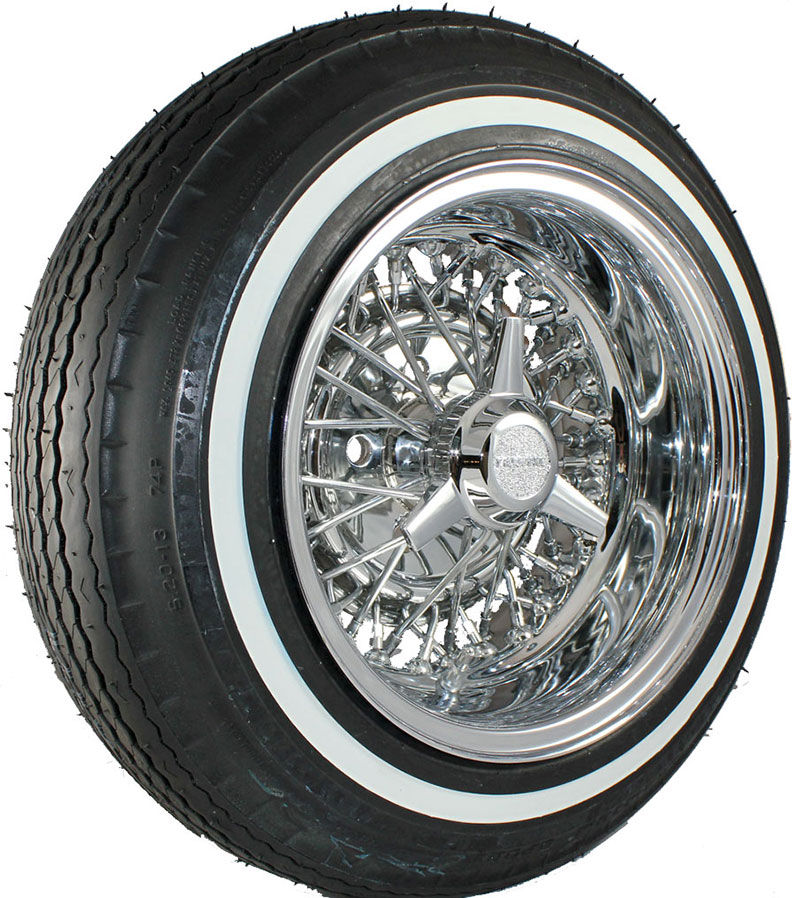
Vehicle and Wire Wheel Information Verification
Before starting the installation, installers must record key vehicle and wheel details. This includes the vehicle’s year, make, and model, along with the wheel and tire sizes being installed. Accurate information ensures the wheels fit properly and meet the vehicle’s specifications.
Record vehicle details: Year, make, model
Confirm that the wheel size installed matches the vehicle requirements
Confirm that the tire size installed matches the wheel size and the vehicle's needs
This step prevents mismatches that could cause handling problems or damage.
Visual Inspection of Wire Wheels
Every wheel must be carefully inspected for any visible flaws before mounting tires. Look for scratches, dings, cracks, or markings that could weaken the wheel or affect performance.
Check for scratches or dents on the wheel surface
Inspect for cracks or structural damage
Verify no markings or defects that could affect safety
If any flaws are found, the wheel should not be used until repaired or replaced.
Test Fitting Wheels on the Vehicle
Test fitting wheels on the vehicle before mounting tires confirms proper fitment and clearance.
Mount wheels on the vehicle without tires to check fit
Ensure no interference with brakes, suspension, steering components, or fenders
Confirm wheels sit flush against mounting surfaces without obstruction
This step avoids costly errors and ensures the wheels will function correctly once tires are installed.
Load Rating and Compatibility Checks
Matching the wheel’s load rating to the vehicle’s Gross Axle Weight Rating (GAWR) is critical for safety. Wheels must also be compatible with the tires and vehicle components.
Verify wheel load rating meets or exceeds vehicle GAWR
Confirm tire and wheel diameters match exactly (e.g., 16" tire on 16" wheel)
Check rim width is approved for the tire size, consulting the tire manufacturer's specs
Ensure no interference with brakes, suspension, steering, or fenders
Confirm wheel seats are flush with no clips, rivets, bolts, or weights obstructing
Check center cap flange does not protrude beyond the mounting surface
Proper compatibility prevents premature wear, handling issues, and safety risks.
Inspecting Studs, Lug Nuts, and Hardware
The hardware that secures wheels to the vehicle must be in excellent condition and installed correctly.
Inspect all studs for rust, damage, fractures, or lubrication issues
Use the correct lug nut seat type for the wheel
Achieve a minimum of 9 full turns of lug nut engagement on studs
Ensure lug nuts do not bottom out on studs or brake drums
Tighten lug nuts in a star pattern to evenly distribute pressure
Use a torque wrench, avoiding impact tools that can over-tighten
Apply the manufacturer’s specified torque (record torque spec)
Confirm the customer’s lug wrench fits the new lug nuts
Proper hardware inspection and installation prevent wheel loosening and potential accidents.
Tire Mounting and Inflation Procedures
Mounting tires correctly protects the wheel and tire integrity.
Verify tire and wheel sizes before mounting
Apply proper tire lubricant to both beads to ease mounting
Ensure tire machine clamps do not contact or damage wheel surfaces
Seat the bead without exceeding 40 PSI to avoid damage
Inspect for any damage caused by mounting equipment
Correct mounting extends tire life and maintains safety.
Final Checks Before Delivery
Before releasing the vehicle, installers must perform final safety checks and provide customer instructions.
Confirm all wheels spin freely with no rubbing or interference
Turn the steering lock to lock to check for clearance issues
Bounce the suspension to detect rubbing or contact points
Clean and inspect wheels for any remaining defects
Instruct the customer to re-torque the lug nuts after 100 miles
Provide the customer with the Owner’s Guide and Warranty information, ensuring understanding of requirements
These final steps ensure the vehicle is safe to drive and the customer knows how to maintain wheel safety.
Proper wheel installation is not just about appearance; it directly affects your vehicle’s safety and performance. Using a detailed checklist helps installers catch potential problems early and gives you peace of mind. Always ask your tire shop to complete such a checklist and explain the process to you. Your safety depends on it.
Take this checklist with you when you get new wheels installed. Confirm that every step is followed before driving away. Safe wheels mean safer journeys.
Truespoke® is famous for its technical support with over 100 years of combined experience with wire wheels.


A division of Motorspot, Inc., America's favorite wire wheels since 1974
427 Industrial Way, Unit C. Fallbrook, California 92028. Phone: 760-731-8303. All phone calls returned. Open M-F, 9-5 PST.


